 Jayden Cerebral Palsy
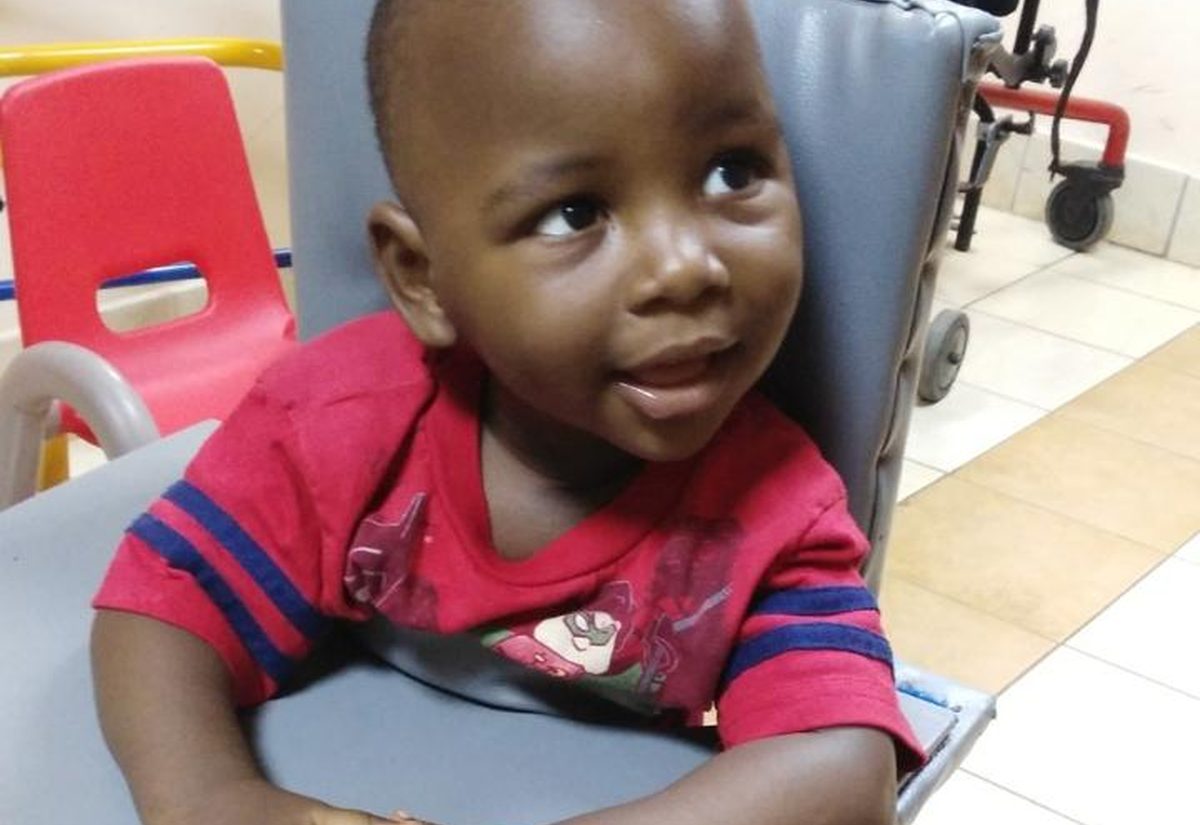
Education transforms lives. Yet many children with cerebral palsy never see the inside of a classroom — not because they cannot learn, but because barriers stand in the way.
What inclusive education looks like
Inclusive education means welcoming every child into the same schools and giving them the support they need to participate and succeed. It benefits everyone: children with disabilities learn alongside their peers, and all children grow up understanding that difference is a normal, valuable part of life.
Practical steps that help
- Individual learning support plans that match teaching to a child's strengths and needs.
- Accessible classrooms, seating and toilets, and assistive tools where needed.
- Flexible ways for children to take part and show what they know.
- A strong partnership between teachers and parents — sharing what works at home and at school.
Everyone has a role
Teachers, families, communities and leaders all shape whether a child is included or left behind. When we choose inclusion, we help every child learn, belong and reach their potential.
0 Comments
Be the first to leave a comment.
Leave a comment