 Jayden Cerebral Palsy
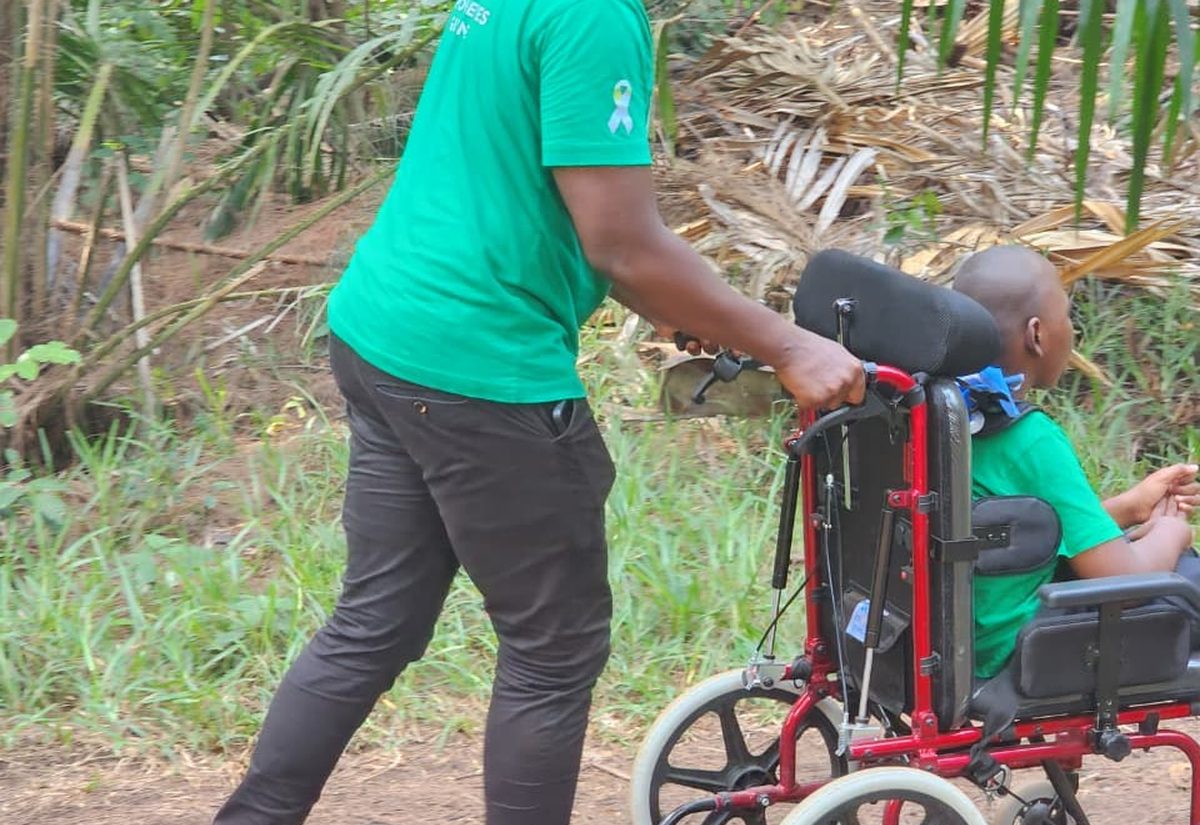
Cerebral palsy (CP) is a group of lifelong conditions that affect movement, balance and posture. It is the most common motor disability of childhood, affecting an estimated 1 to 4 in every 1,000 children worldwide. CP happens because of differences in how the brain develops, or an injury to the developing brain, before, during or shortly after birth.
What causes it?
In our region, complications during childbirth that briefly deprive a baby's brain of oxygen are among the most common causes. Others include premature birth, very low birth weight, and severe infections in pregnancy or early infancy such as meningitis or cerebral malaria. Importantly, cerebral palsy is not caused by anything the family did wrong.
Early signs to watch for
Signs usually appear in the first year or two of life. Speak to a health worker if you notice:
- Delays in reaching milestones such as rolling over, sitting, crawling, standing or walking.
- Muscles that feel unusually stiff or unusually floppy.
- Favouring one side of the body, or awkward, uncontrolled movements.
- Difficulty feeding, swallowing or with excessive drooling.
The hopeful truth
Cerebral palsy is not progressive — it does not get worse over time — and while there is no cure, a great deal can be done. Early therapy, support and inclusion help children build skills, avoid complications and live full, dignified lives. Recognising the signs early is the first, powerful step.
This article is for general information and is not a substitute for professional medical advice. If you have concerns about your child's development, please see a qualified health worker.
0 Comments
Be the first to leave a comment.
Leave a comment